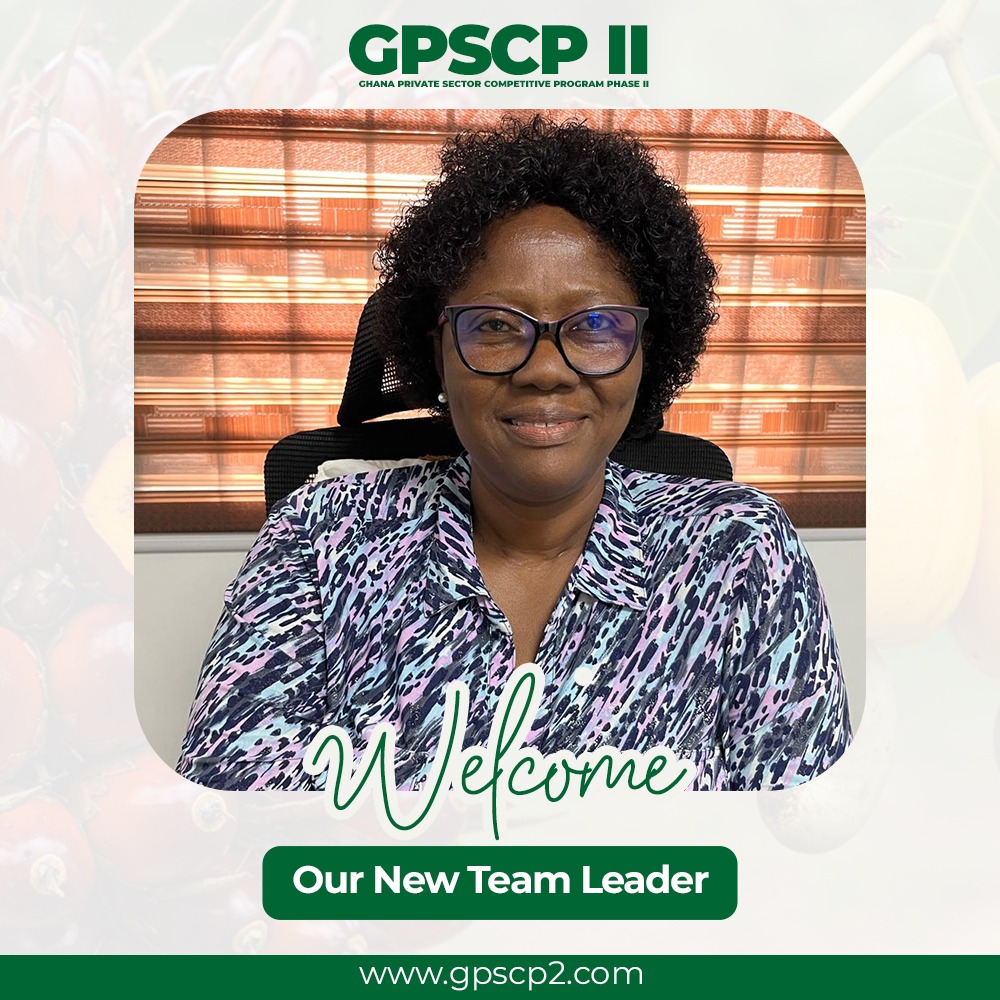
We are excited to welcome Mrs. Juliana Ofori-Karikari as the new TeamLeader for the Ghana Private Sector Competitiveness Programme Phase II (GPSCP II)!
Juliana brings to the role over 39yearsofexperience in finance, banking, investment, and enterprise development. With a rich career spanning institutions like UMBBank and GIZ ComCashew/MOVE, she has held leadership roles across finance, credit risk, and business development—working across six West African countries to strengthen SME competitiveness in agro-processing sectors like cashew and rice.
Her deep understanding of financial systems, business structure, and market linkages makes her an invaluable asset to the GPSCP II mission of supporting inclusive, sustainable growth through private sector partnerships.
A passionate advocate for enterprise growth, Juliana is also known for mentoring young professionals and supporting capacity building through financial literacy and advisory services.
Please join us in welcoming Juliana to the team as we continue to drive innovation, resilience, and competitiveness in Ghana’s agribusiness sector!
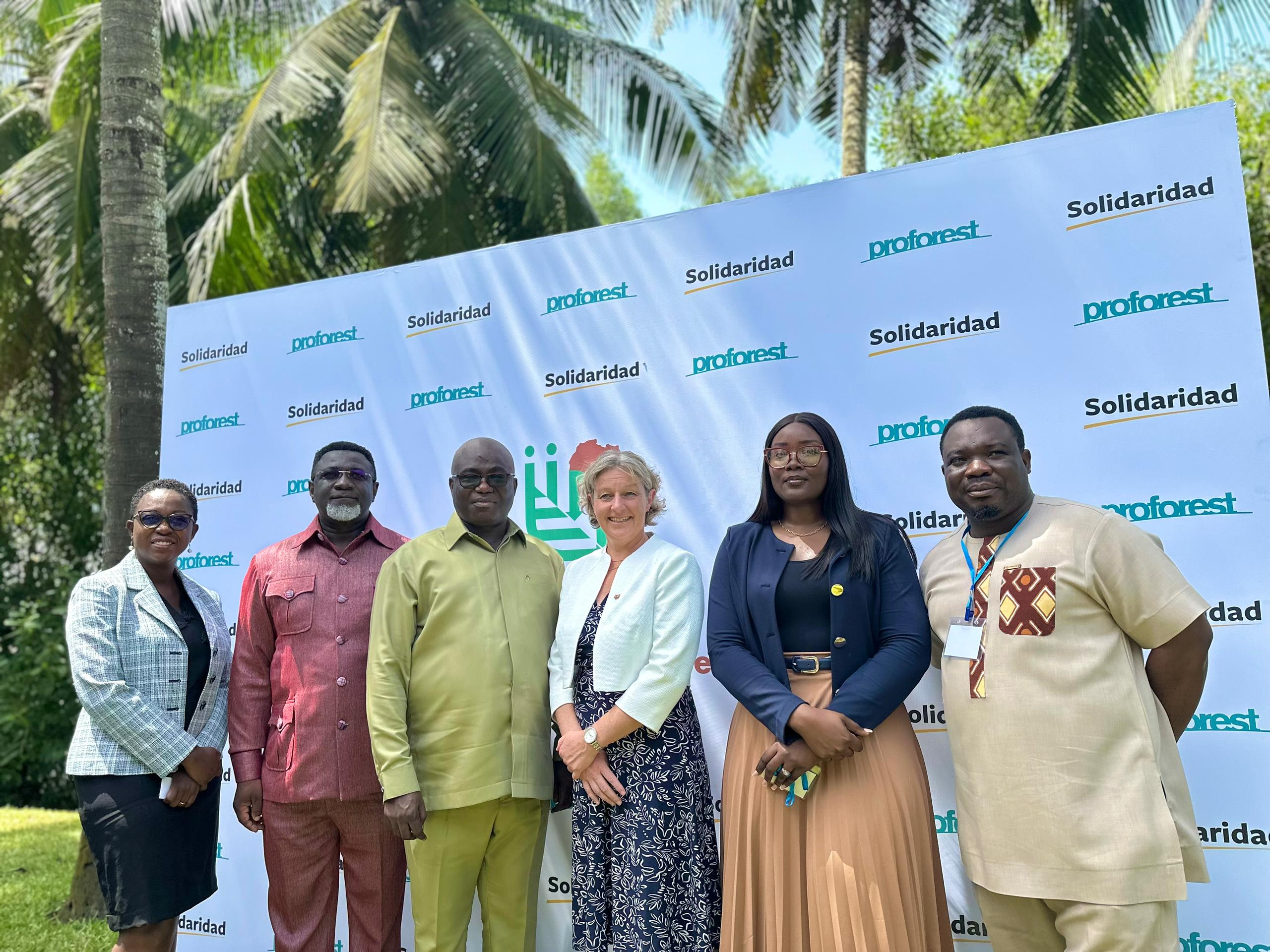
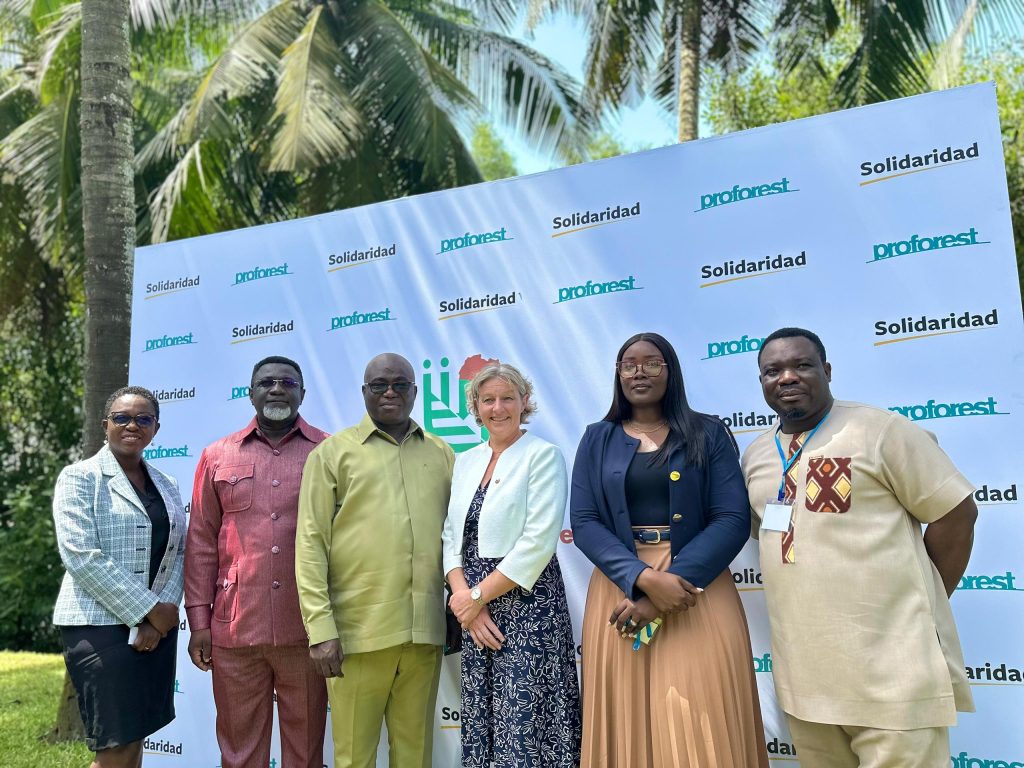
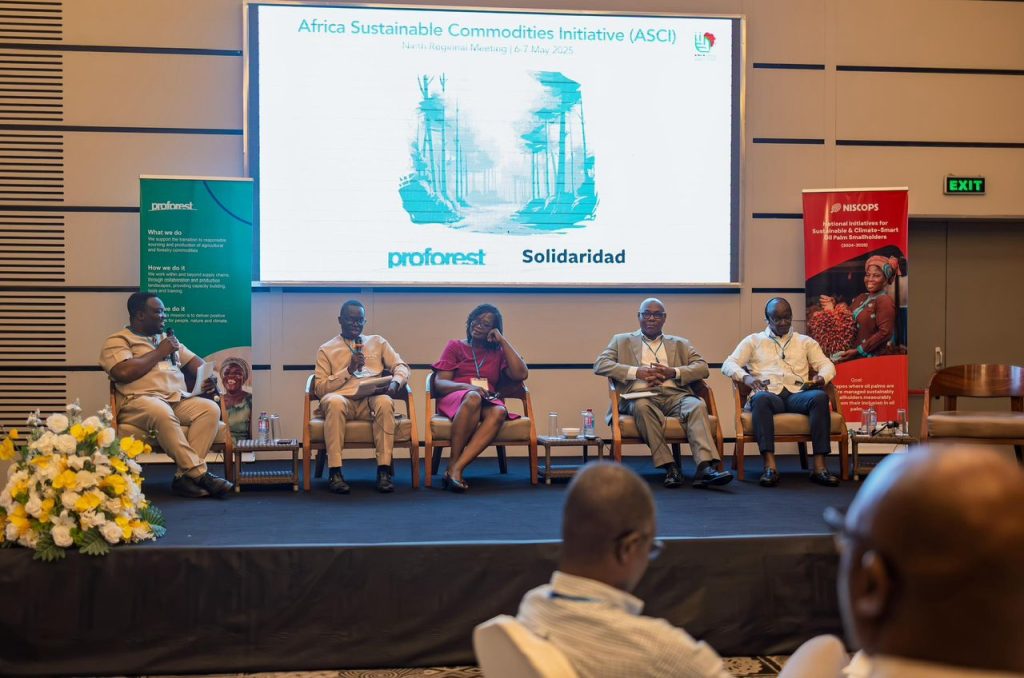
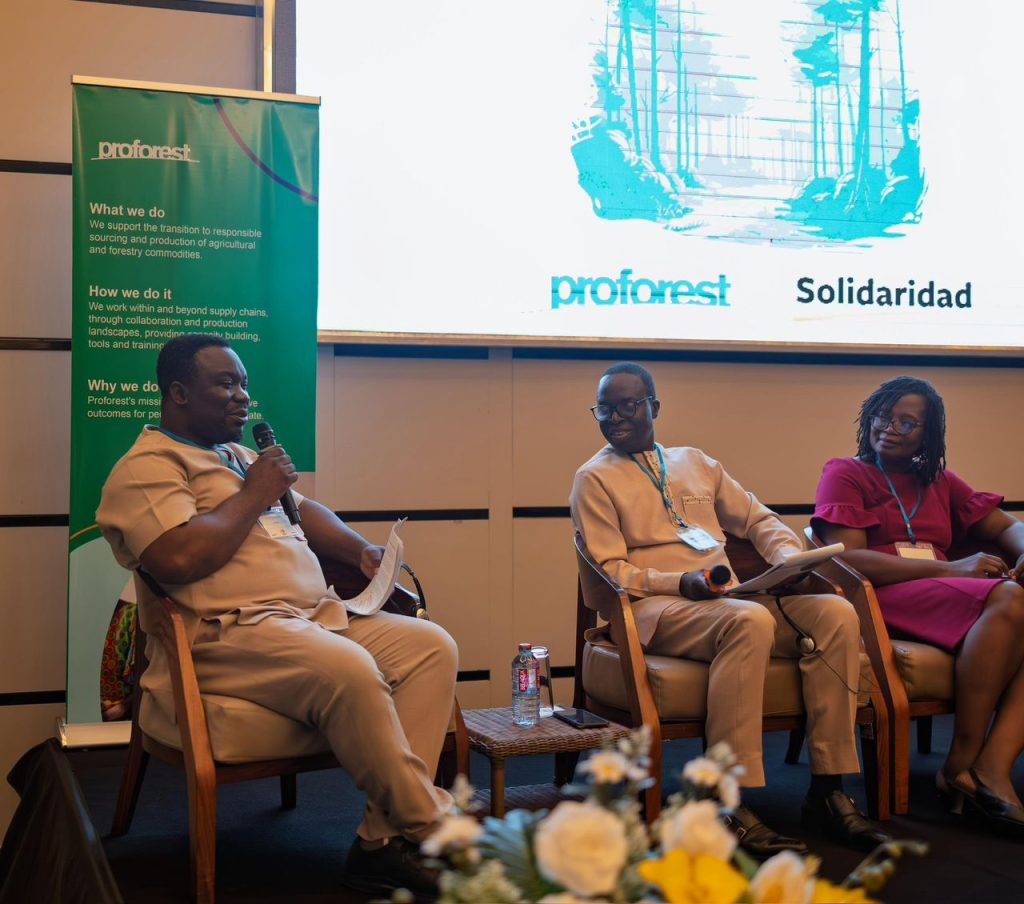
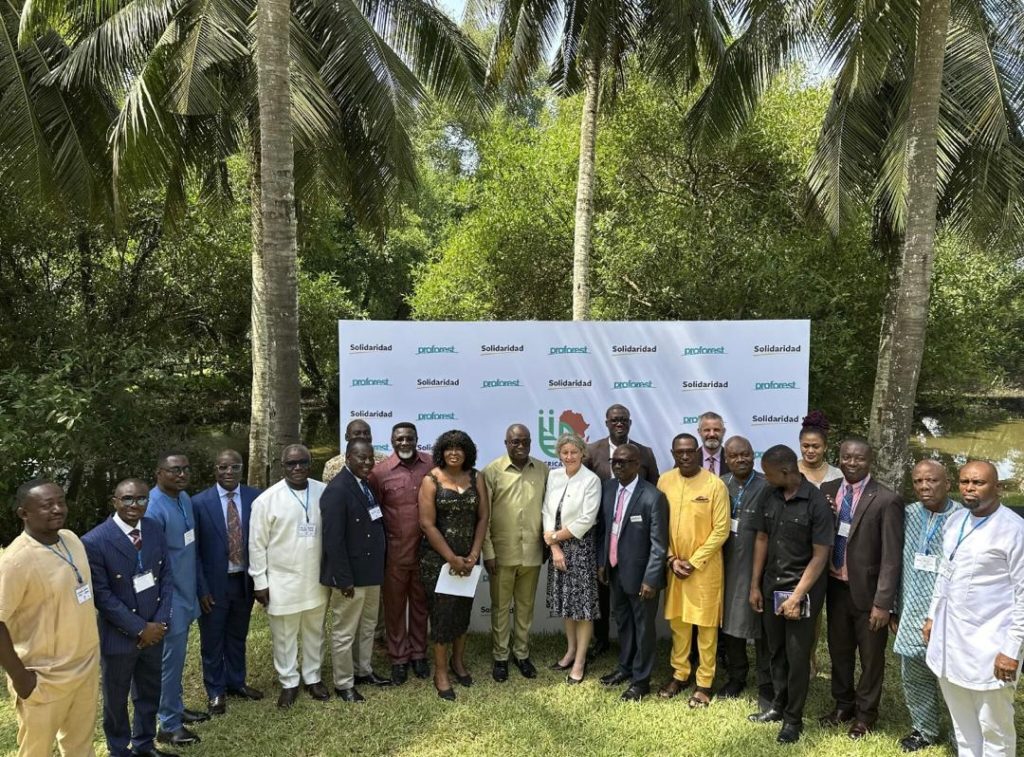
The project team from GPSCP II proudly participated in the 9th Regional Meeting of the Africa Sustainable Commodities Initiative (ASCI) held in Accra. This event was organized by our Program’s implementing partner, Proforest, and facilitated by our Strategic Cooperation Partnership Expert, Afua Prempeh. The landmark event brought together representatives from ten West and Central African countries to reaffirm their dedication to sustainable and inclusive agricultural production.
ASCI serves as a pan-African platform built on a shared set of principles for the responsible production of agricultural commodities. It promotes forest protection, good governance, and transparency while ensuring that farmers, local communities, and marginalized groups benefit from agricultural value chains—particularly as the EU Deforestation Regulation (EUDR) begins to reshape market requirements.
This year’s regional meeting focused on developing new strategies and partnerships to empower smallholder farmers against economic and environmental shocks and to align national frameworks with the EUDR, ensuring African commodities remain competitive and sustainable in global markets.
We were honored by the presence of Ghana’s Minister of Food and Agriculture, Hon. Eric Opoku, who was the Keynote speaker and he underscored the government’s commitment to sustainable agriculture and regional collaboration.
The Program’s Value Chain and Business Development Expert, Stephen Debre, also played a key role by moderating a session on Responsible Investment and Implications for Smallholder Development and International Trade in Oil Palm Products.
Our participation reflects GPSCP II’s ongoing commitment to driving sustainability, enhancing climate resilience, and promoting farmer-centered development across the region.
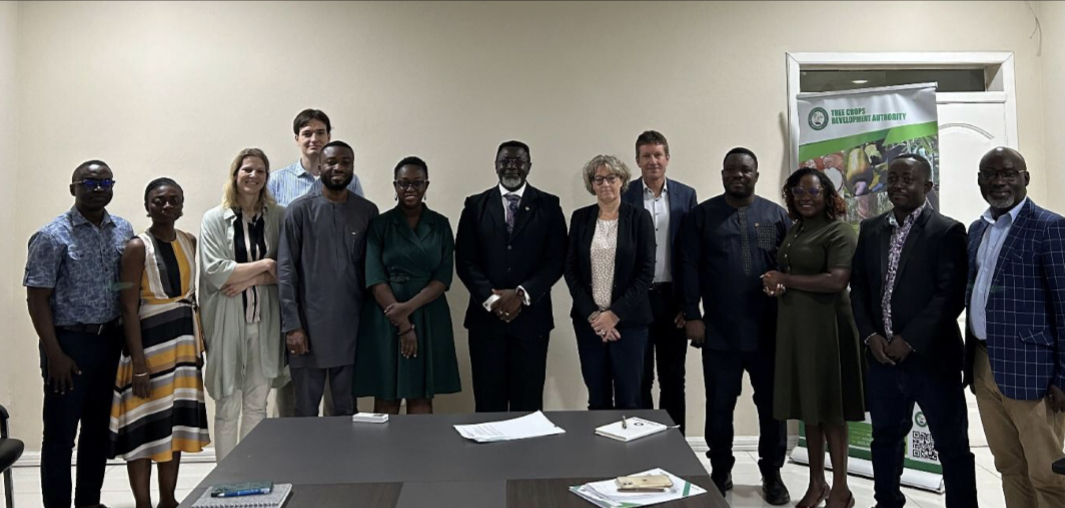
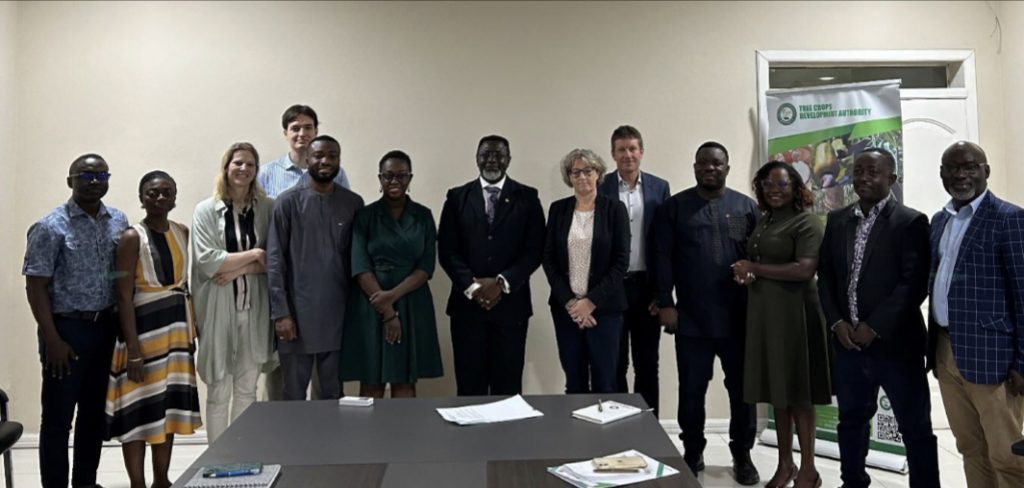
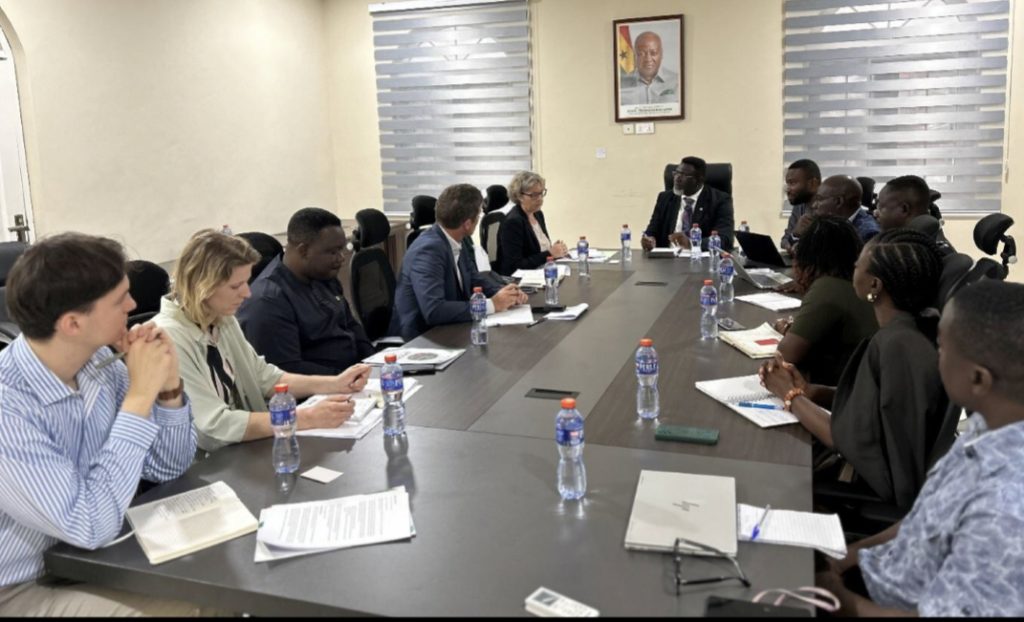
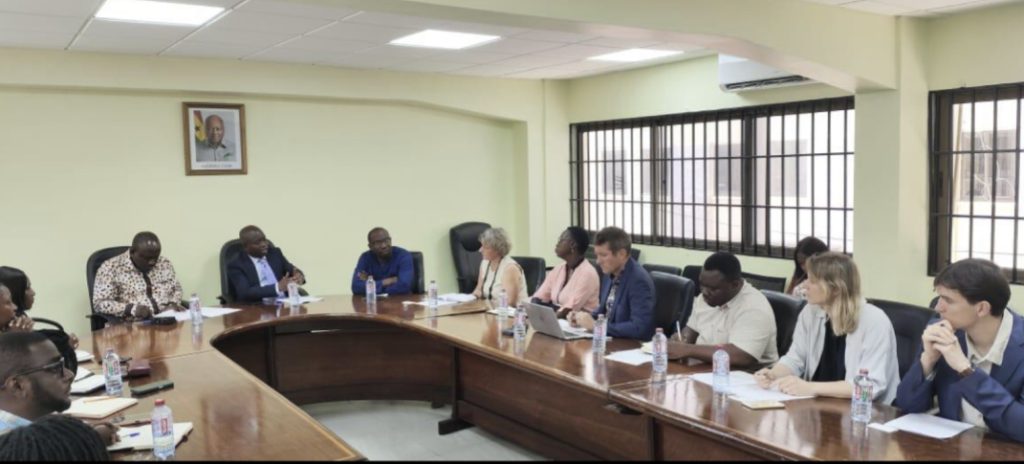
In early April, the Ghana Private Sector Competitiveness Program II (GPSCP II) welcomed a high-level joint mission comprising officials from SECO headquarters and representatives from NIRAS headquarters. The visit marked a pivotal opportunity to engage in substantive discussions on the Program’s performance, achievements to date, and strategic reflections for the future.
Throughout the mission, participants met with key public sector stakeholders critical to advancing the Program’s work in strengthening Ghana’s business environment for small and medium enterprises (SMEs) in the cashew and oil palm value chains. Among the notable engagements were discussions with Hon. Sampson Ahi, Deputy Minister of Trade, Agribusiness, and Industry, as well as Ebenezer A. Nortey, Head of the EU/Europe/Americas Unit at the Ministry of Finance.
The delegation also convened with Hon. Andy Osei Okrah, the newly appointed CEO of the Tree Crops Development Authority, to review progress and reaffirm the Program’s ongoing support under the Strategic Cooperation Partnership (SCP) framework.
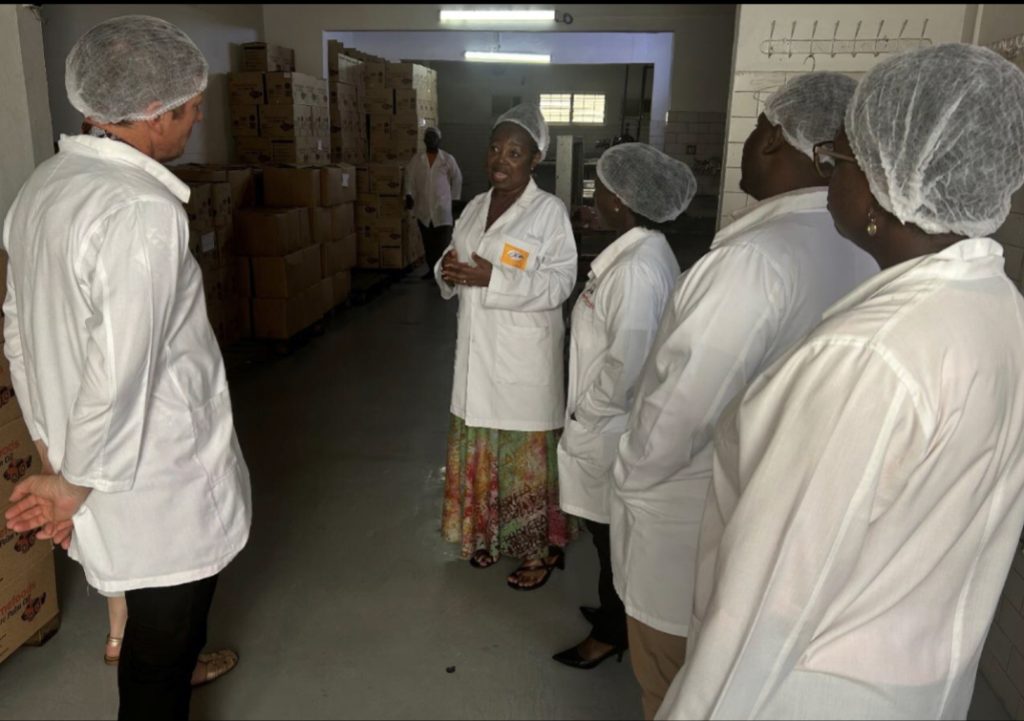
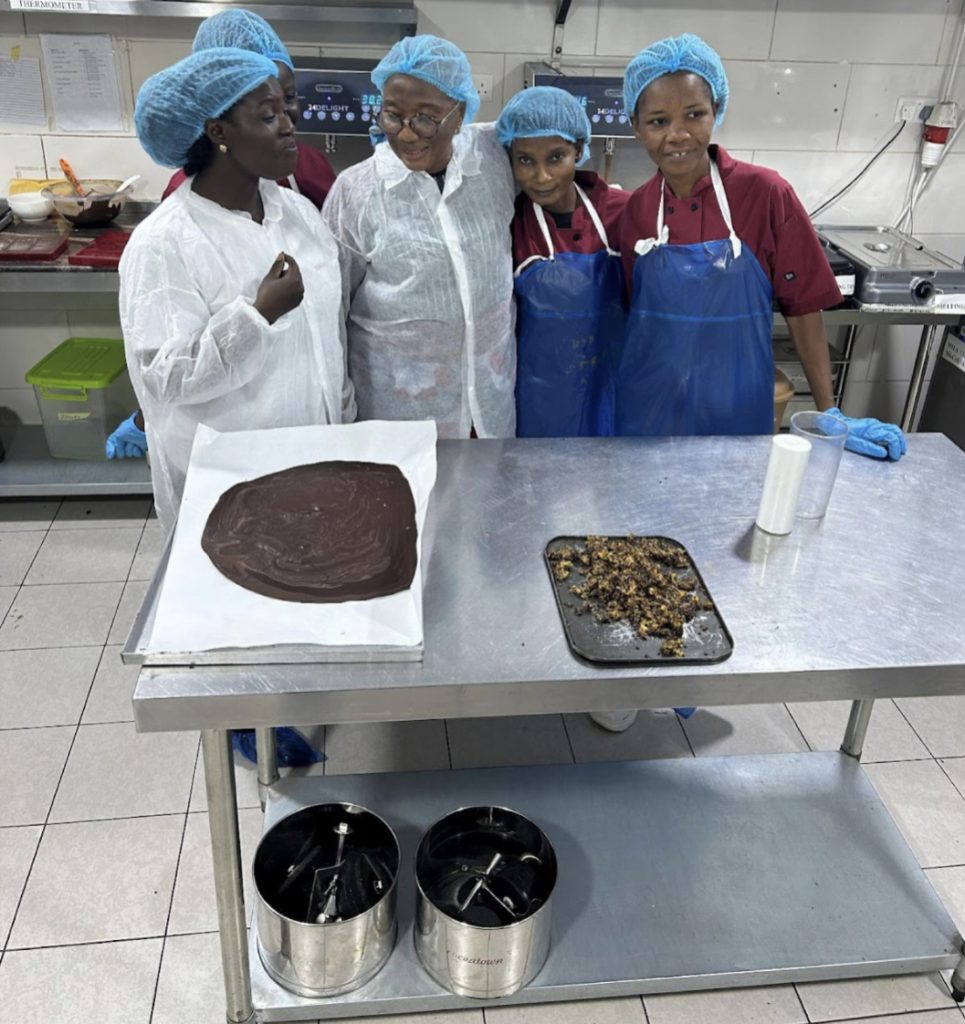
Beyond public sector dialogue, the mission engaged a wide array of stakeholders within both value chains, including representatives from private sector associations such as OPDAG and CCG, as well as Proforest, the key Program partner. Field visits to two Grant Beneficiaries Homefoods Ltd., operating in oil palm processing, and Bioko Treats, a cashew processor offered an on-the-ground perspective into the dynamic evolution of value chain development and the challenges SMEs continue to navigate.
The mission underscored the GPSCP II’s commitment to building a robust and inclusive ecosystem for Ghana’s agribusiness sectors, and reinforced collaborative efforts aimed at driving sustainable growth, innovation, and competitiveness.
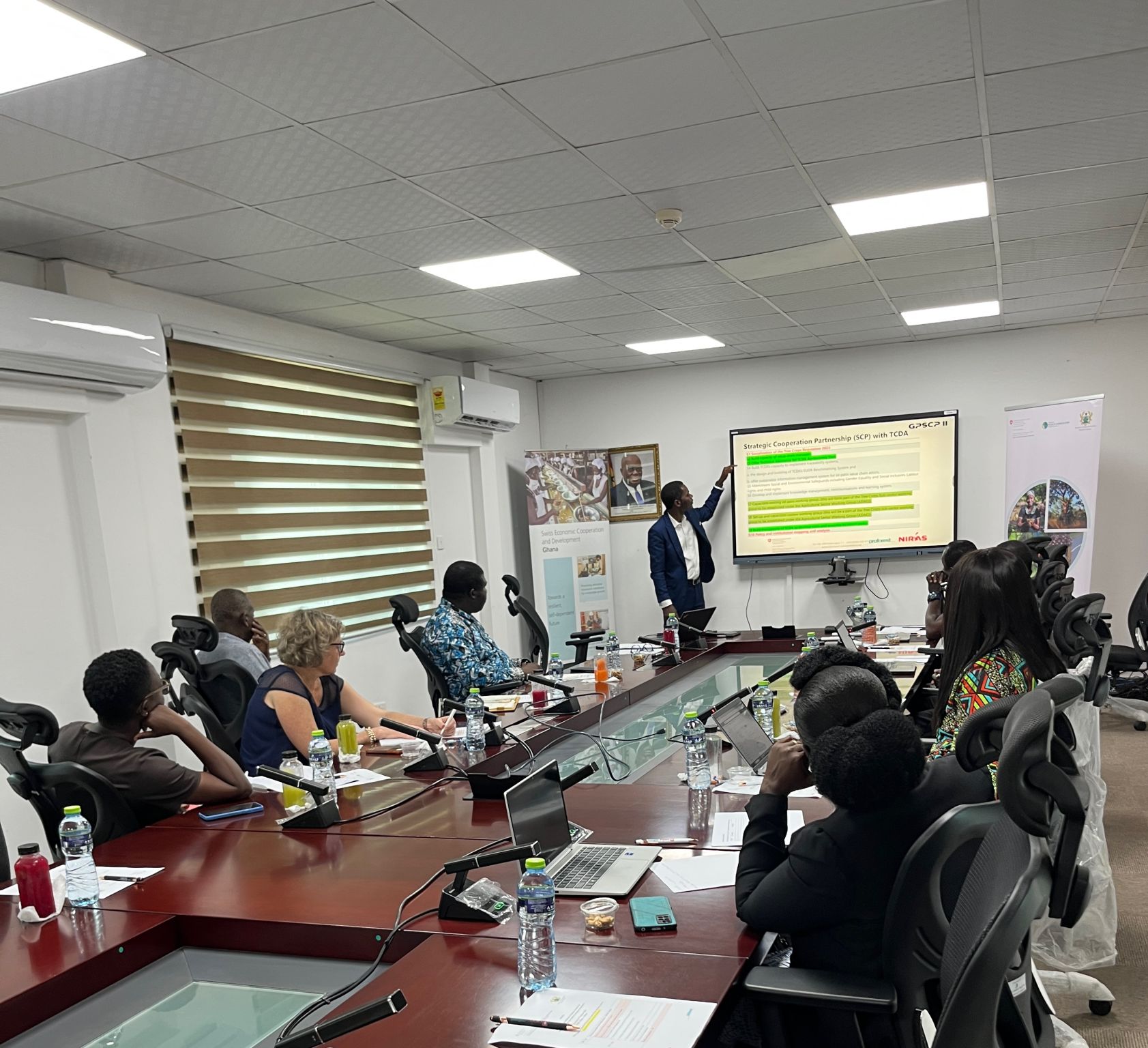
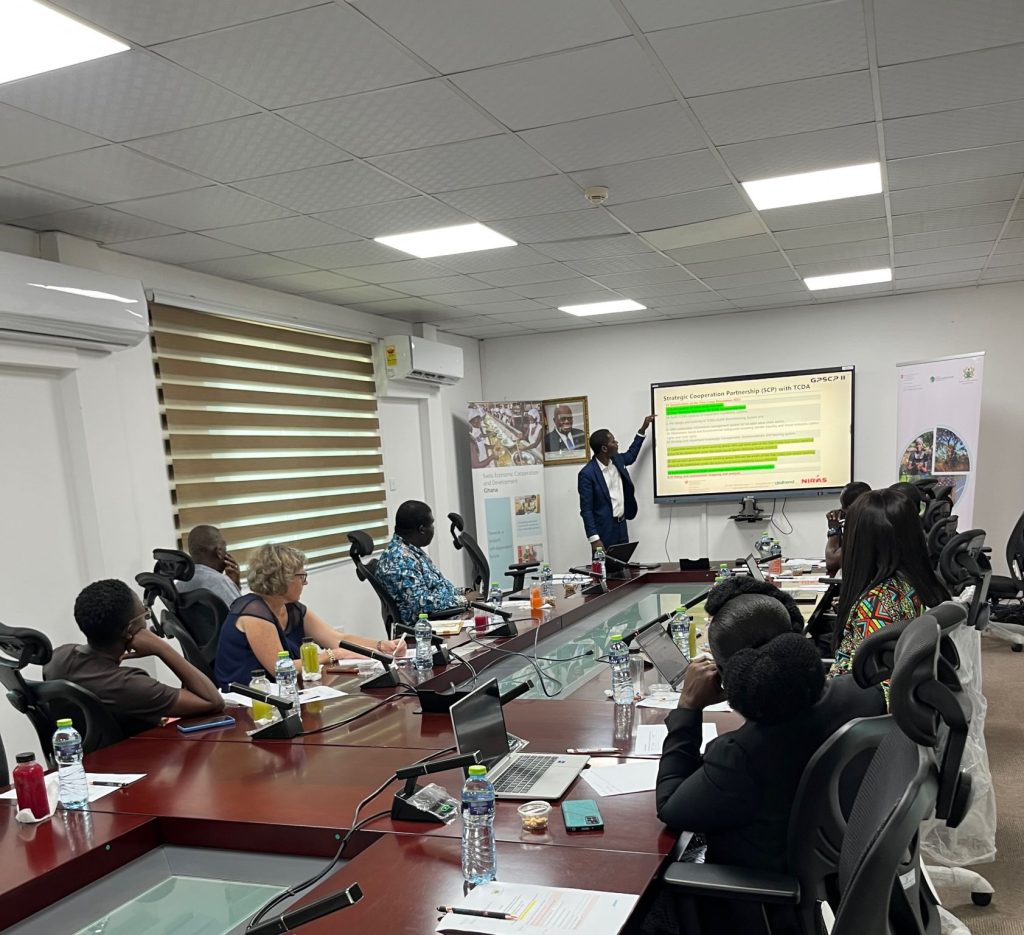
In a decisive move toward strengthening Ghana’s agricultural competitiveness, stakeholders convened today in Accra for the Second Program Steering Committee Meeting of the Ghana Private Sector Competitiveness Programme II (GPSCP II). The gathering marked a pivotal moment in the country’s effort to drive sustainable growth in the cashew and oil palm value chains.
The meeting, chaired by Dr. Solomon Gyan Ansah, Director of Crop Services at Ghana’s Ministry of Food and Agriculture, provided a platform to review the program’s implementation strategy, share key progress updates, and map out the path forward.
“Today’s meeting underscores our collective commitment to building a more competitive and resilient agricultural sector,” Dr. Ansah stated in his opening remarks. “By strengthening the cashew and oil palm value chains, we not only enhance trade performance but also improve livelihoods and foster inclusive economic development.”
Launched in January 2024, GPSCP II is a bilateral initiative supported by the Government of Ghana and Switzerland’s State Secretariat for Economic Affairs (SECO). It is jointly implemented by NIRAS and Proforest, with a mission to build a vibrant, environmentally sustainable, and socially inclusive agribusiness landscape in Ghana.
The Programme team presented several significant milestones achieved since the inaugural committee meeting, including the launch of a grant facility supporting women-led and processing-focused SMEs in the tree crop sector. The updates demonstrated how the program is tangibly contributing to enhancing private sector competitiveness and value addition across both industries.
Participants at the meeting including representatives from the Ministry of Trade and Industry, the Tree Crops Development Authority, SECO, NIRAS, Proforest, and other sector stakeholders engaged in collaborative discussions, offering expert insights and actionable recommendations.
The committee emphasized the importance of maintaining alignment between field-level realities and national development priorities. Key topics included promoting climate-resilient agricultural practices, supporting gender equity in agribusiness, and deepening partnerships with the private sector.
GPSCP II’s multi-stakeholder steering committee structure ensures that the voices of public institutions, private actors, and development partners are heard throughout the program’s implementation. Today’s session reaffirmed the importance of coordinated, data-driven, and inclusive approaches to ensure long-term impact.
As Ghana continues its push to transform agriculture into a powerful engine for growth, meetings like these provide not only strategic guidance but also a renewed sense of shared purpose.